Simply Shada
Read Simply Shada, Shada Islam's personal Substack, where she shares candid commentary and reflections on the issues shaping Europe and the world.
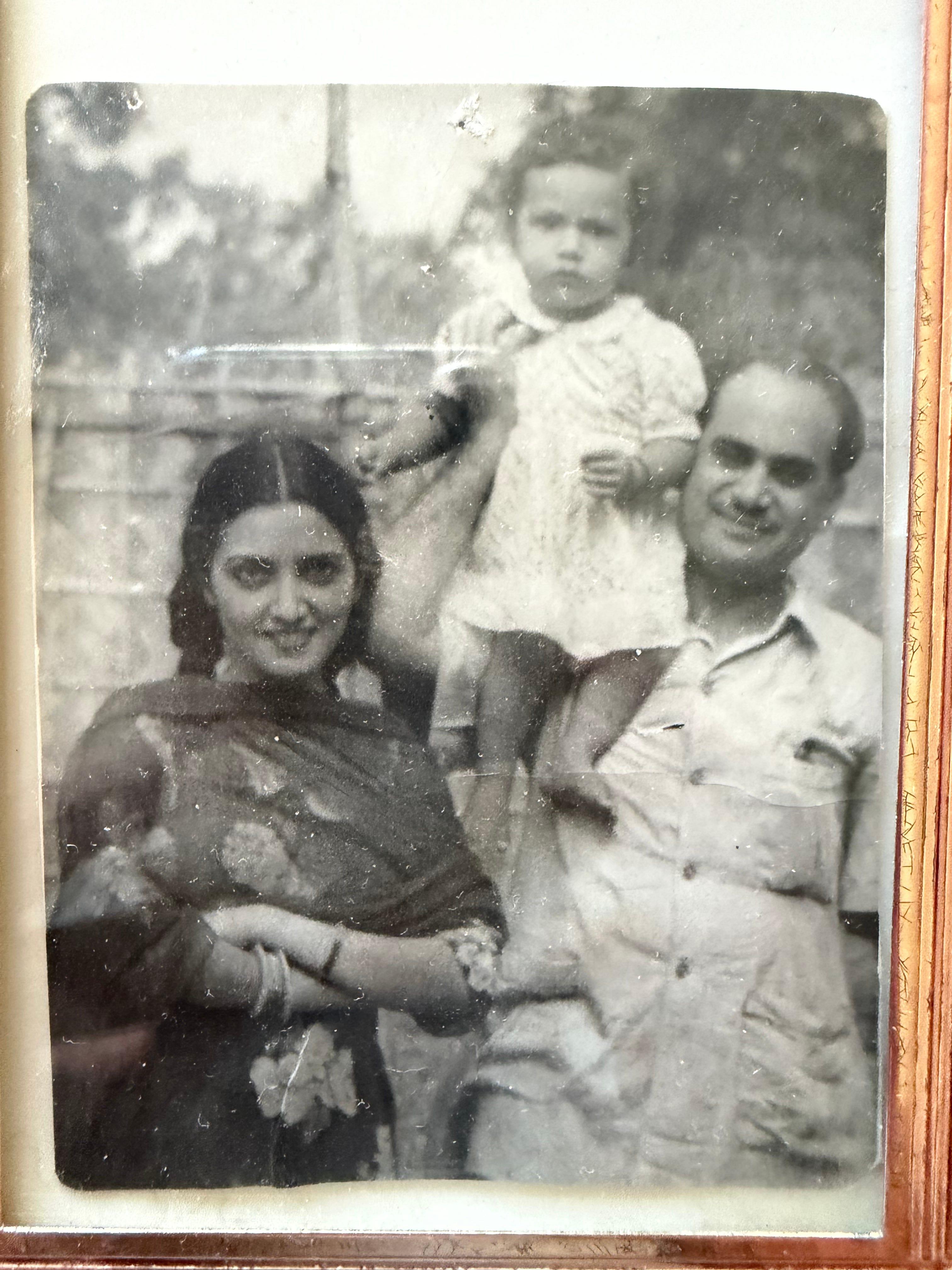
Being a girl dad is - finally - a badge of honour. I was fortunate to have a father who was a girl dad before the term was invented. Although he died so many years ago, I am still Daddy’s girl.
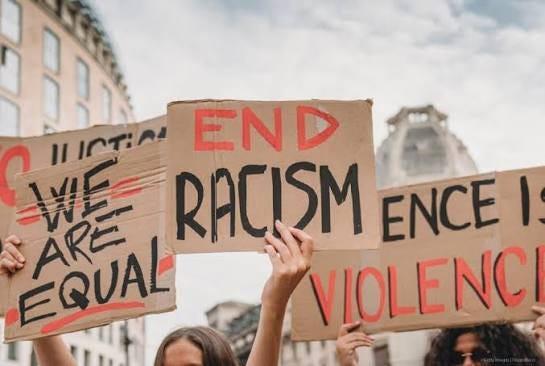
Let’s stop kidding ourselves: in Europe today, the Far Right has already set the agenda on racism, identity and migration. And it is eroding democracy and the rule of law from within.
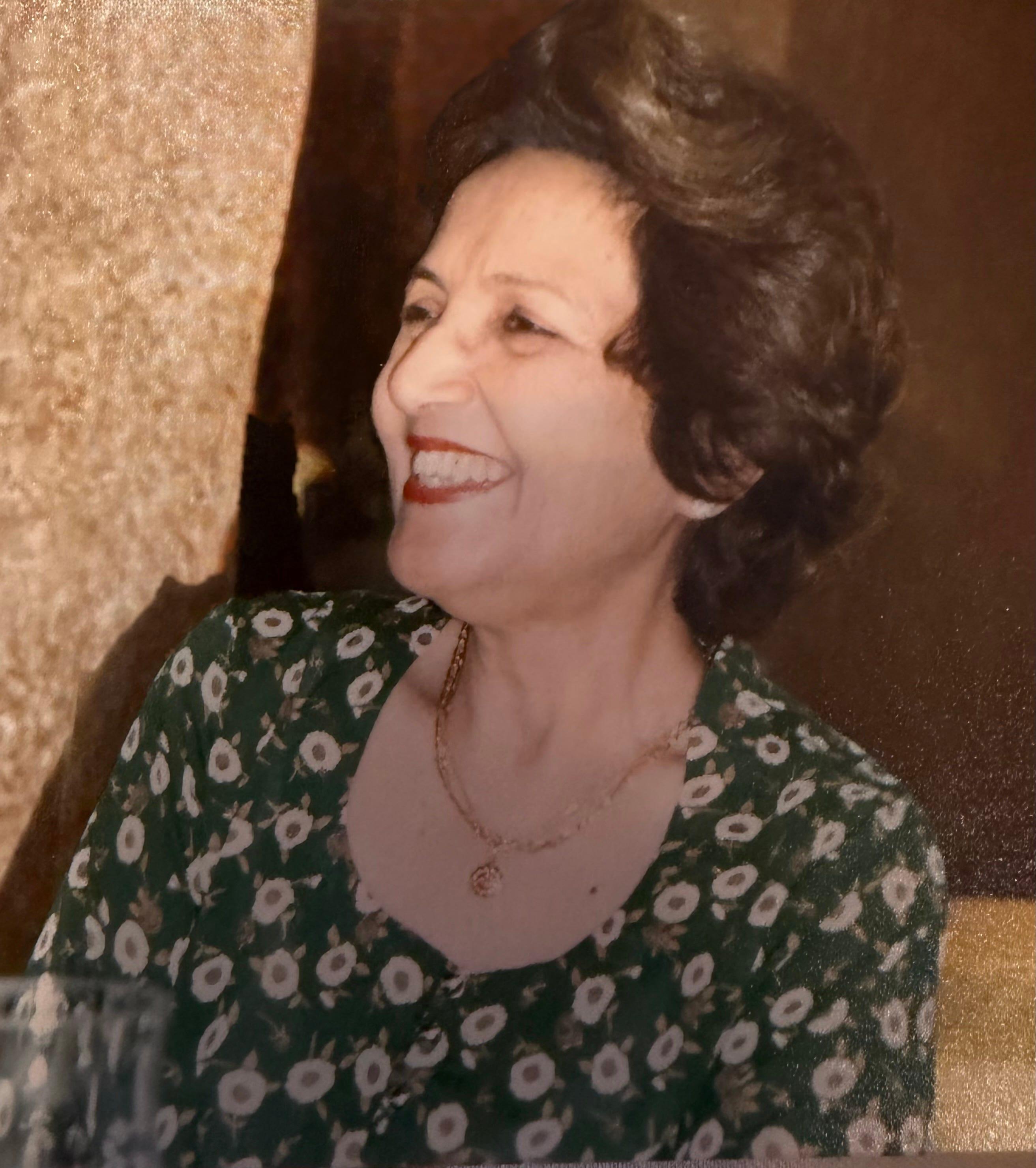
The women in my family are formidable and feminine, with strong minds, opinions and ambitions. They also know that strength does not mean giving up softness and kindness even in a cruel world.
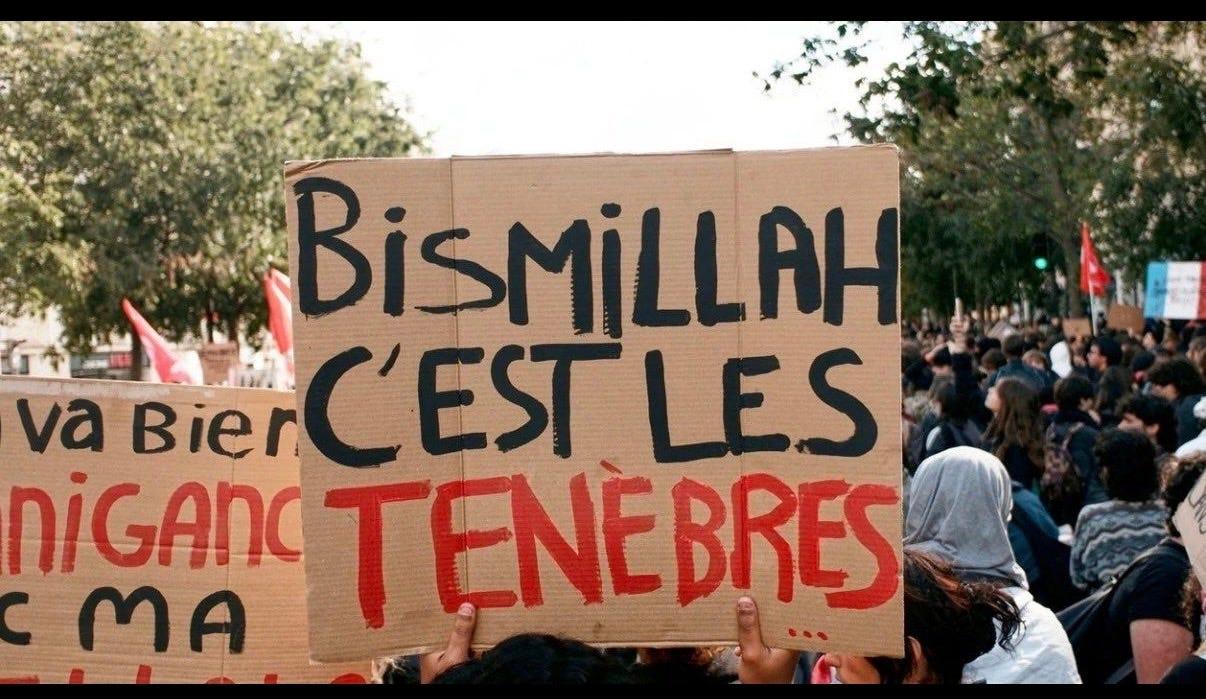
From classrooms to housing, young Europeans are demanding the basics of a decent life. Too many politicians would rather talk about migrants, crime and closed borders.
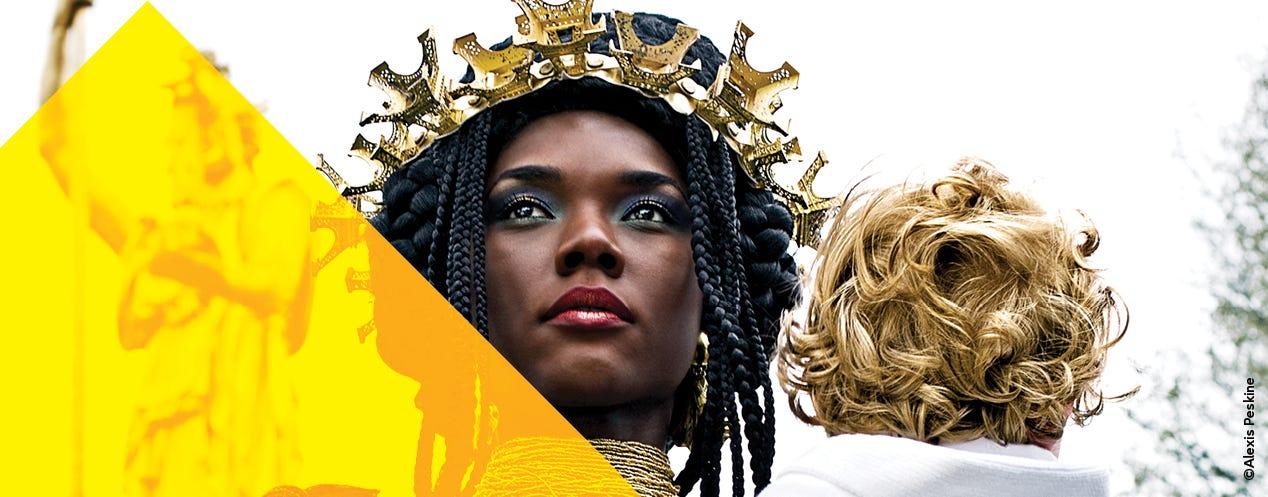
Today, those shaping Europe’s future inhabit a world of fantasy and fiction. The “Postcolonial?” exhibition in Brussels tells a story of European colonialism which is grounded in historical fact.
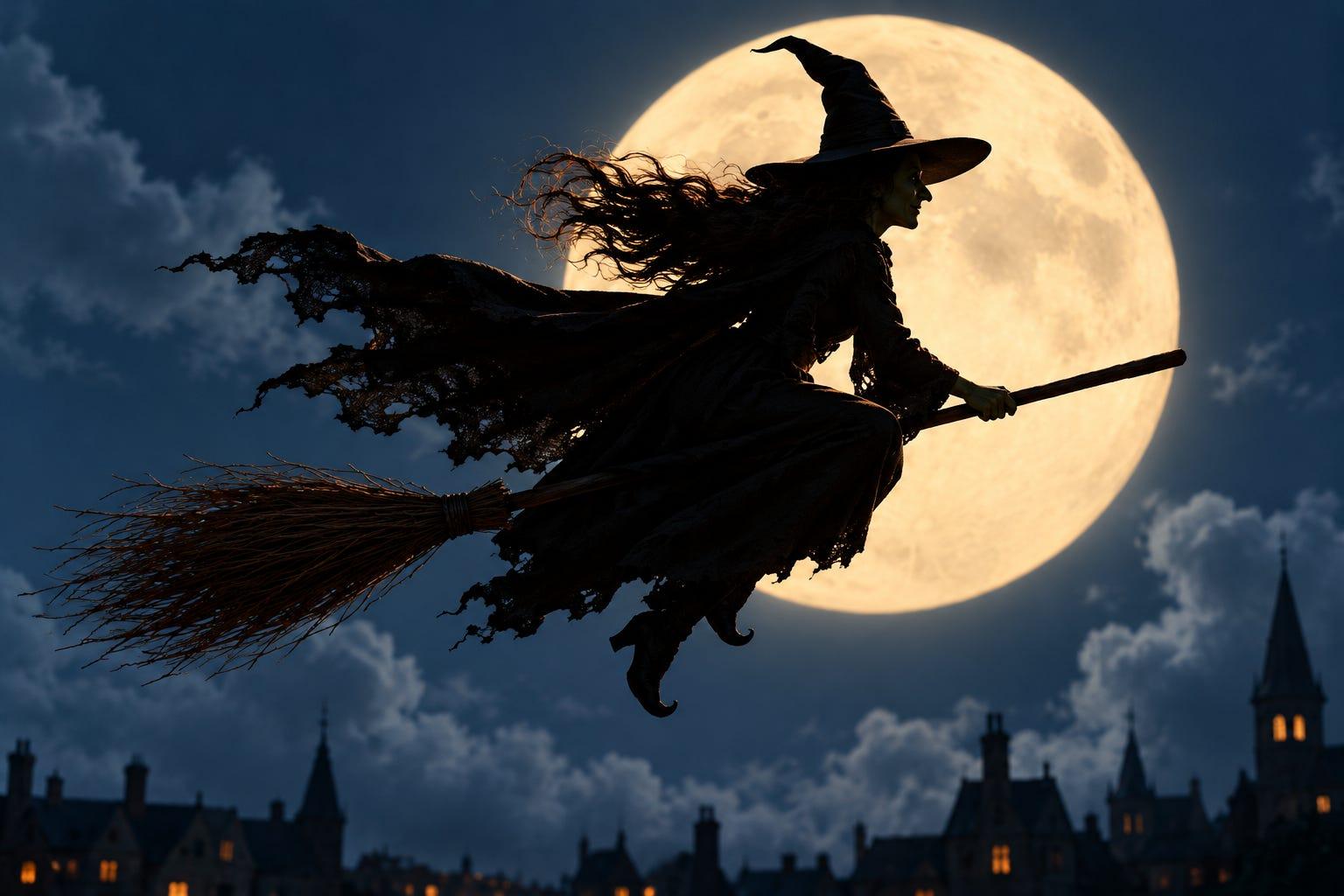
The EU is engaging in doublespeak when it comes to relations with its European citizens. In an already polarised Europe, the contradictions must be sorted out before Halloween.
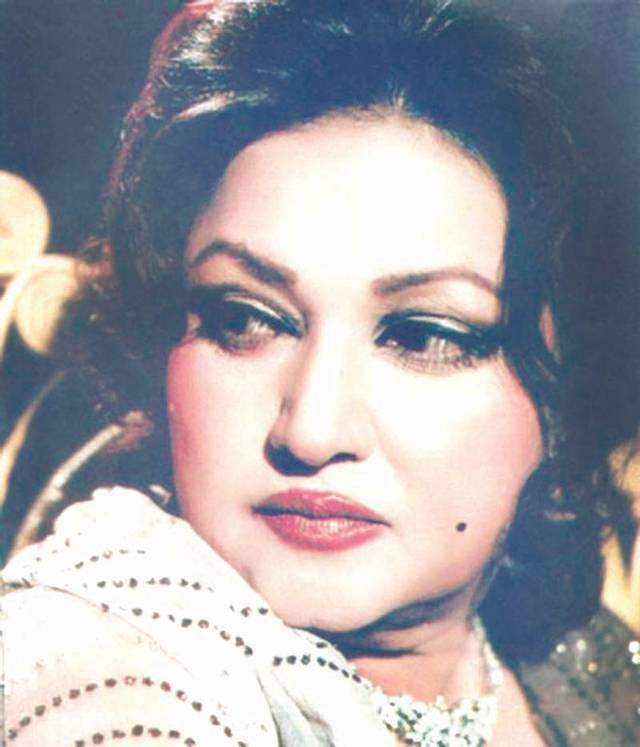
On days when Brussels feels especially airless, I find myself going back to the songs and inspiring story of the mesmerising legendary Pakistani singer Noor Jehan who has stirred my soul since birth.
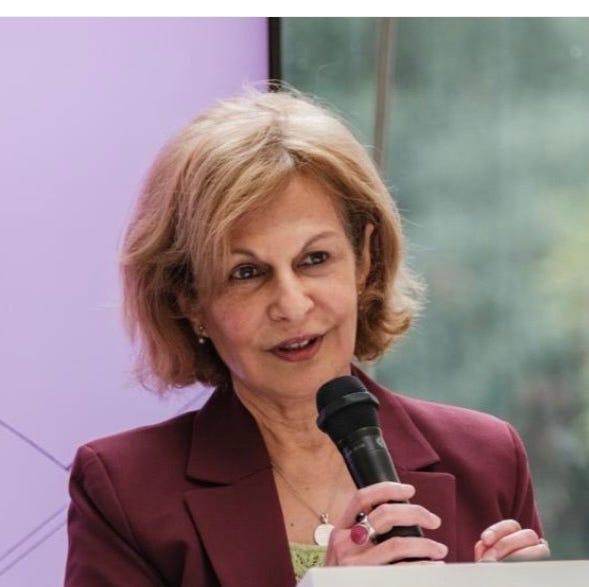
Honestly, European politics, politicians and policies these days are so emotionally exhausting. Maybe the problem is that so much of it seems so personal.
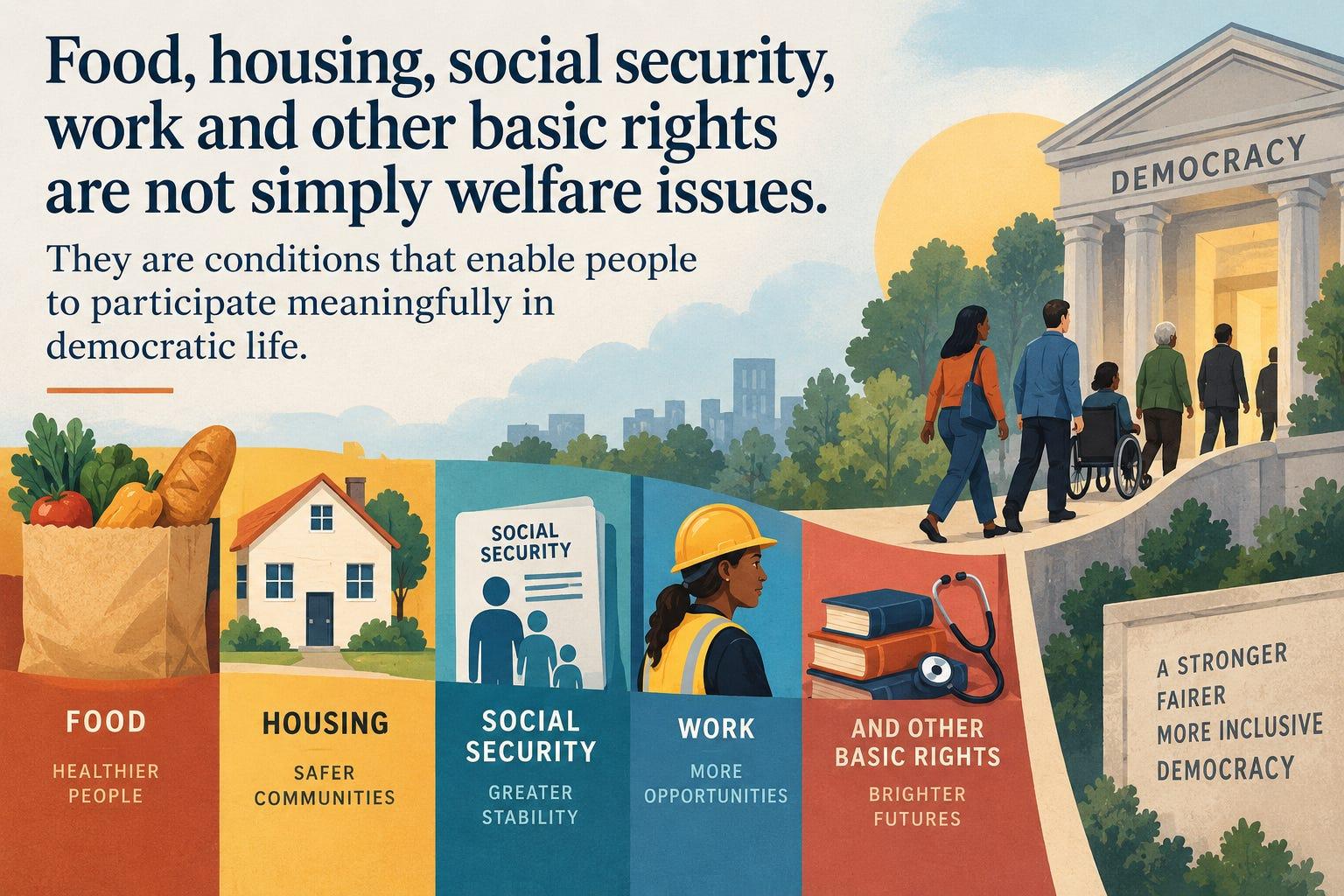
Inequality is hollowing out our democracies, inciting hate and driving support for the Far Right. Why are EU policymakers not paying attention to the link between democracy and socio-economic rights?
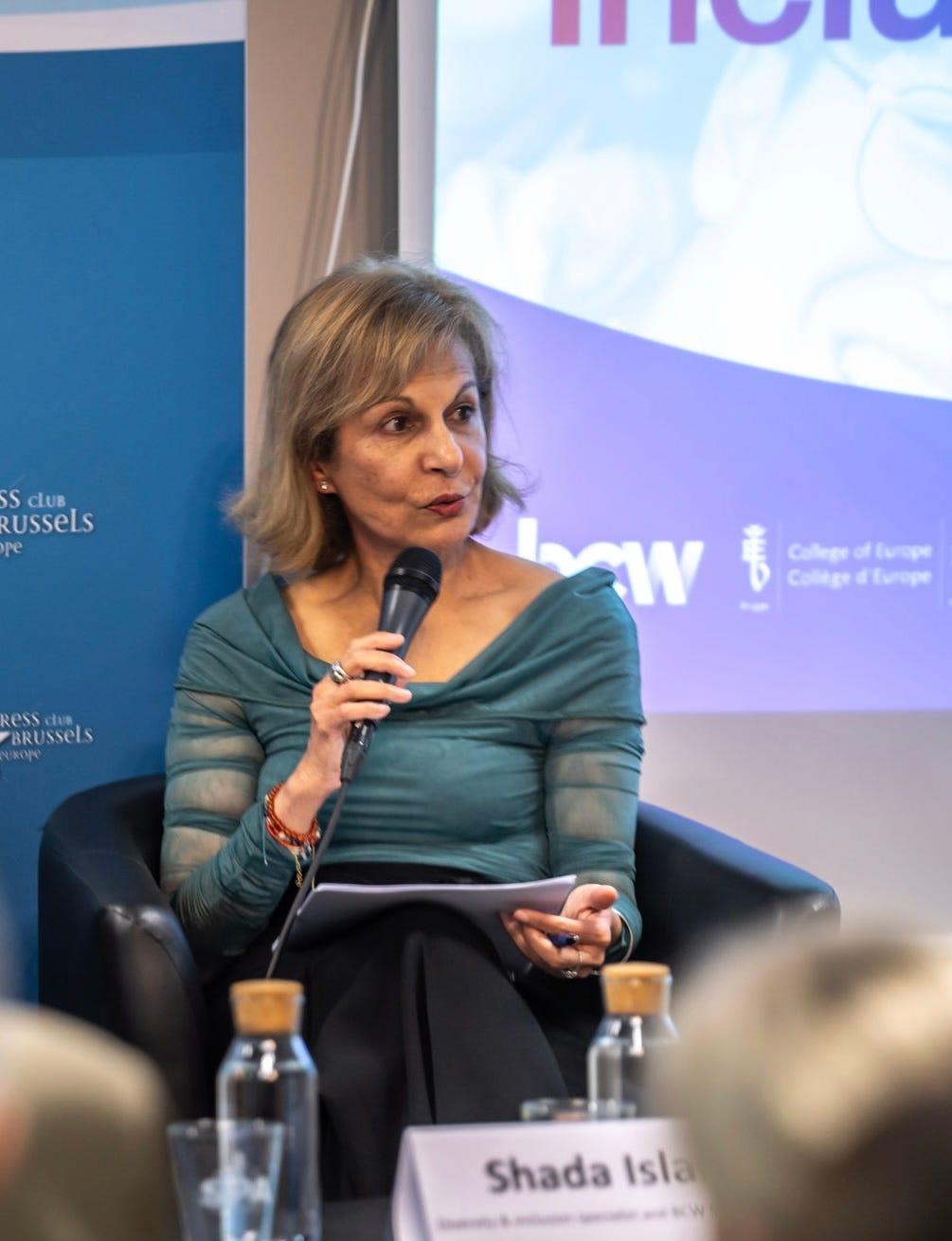
After 9/11 everyone became an expert on Islam. I became used to friends, acquaintances and strangers offering unsolicited and often offensive advice and opinions on my faith. It has become worse.
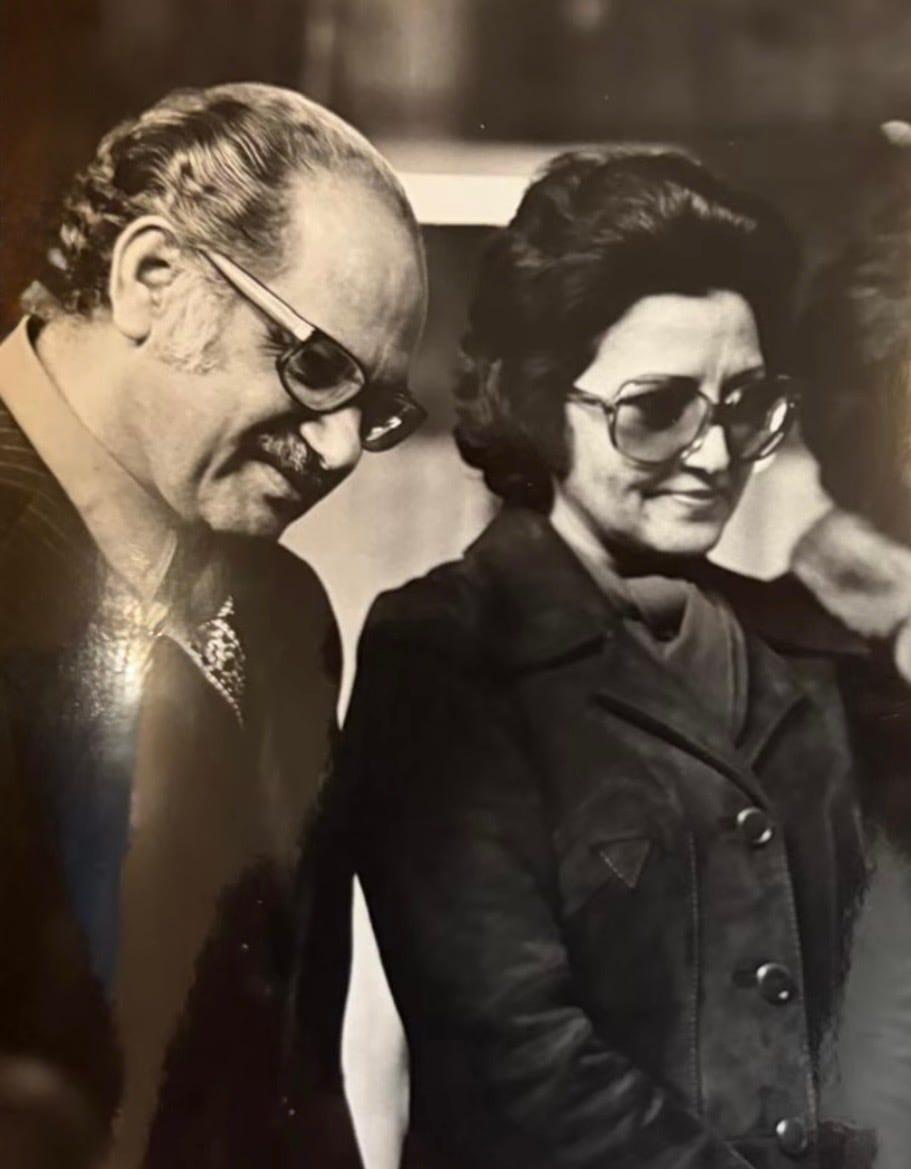
Perhaps it was because I was finally quiet enough to listen and in this stillness, memories could come unobstructed to help inhabit my aloneness.
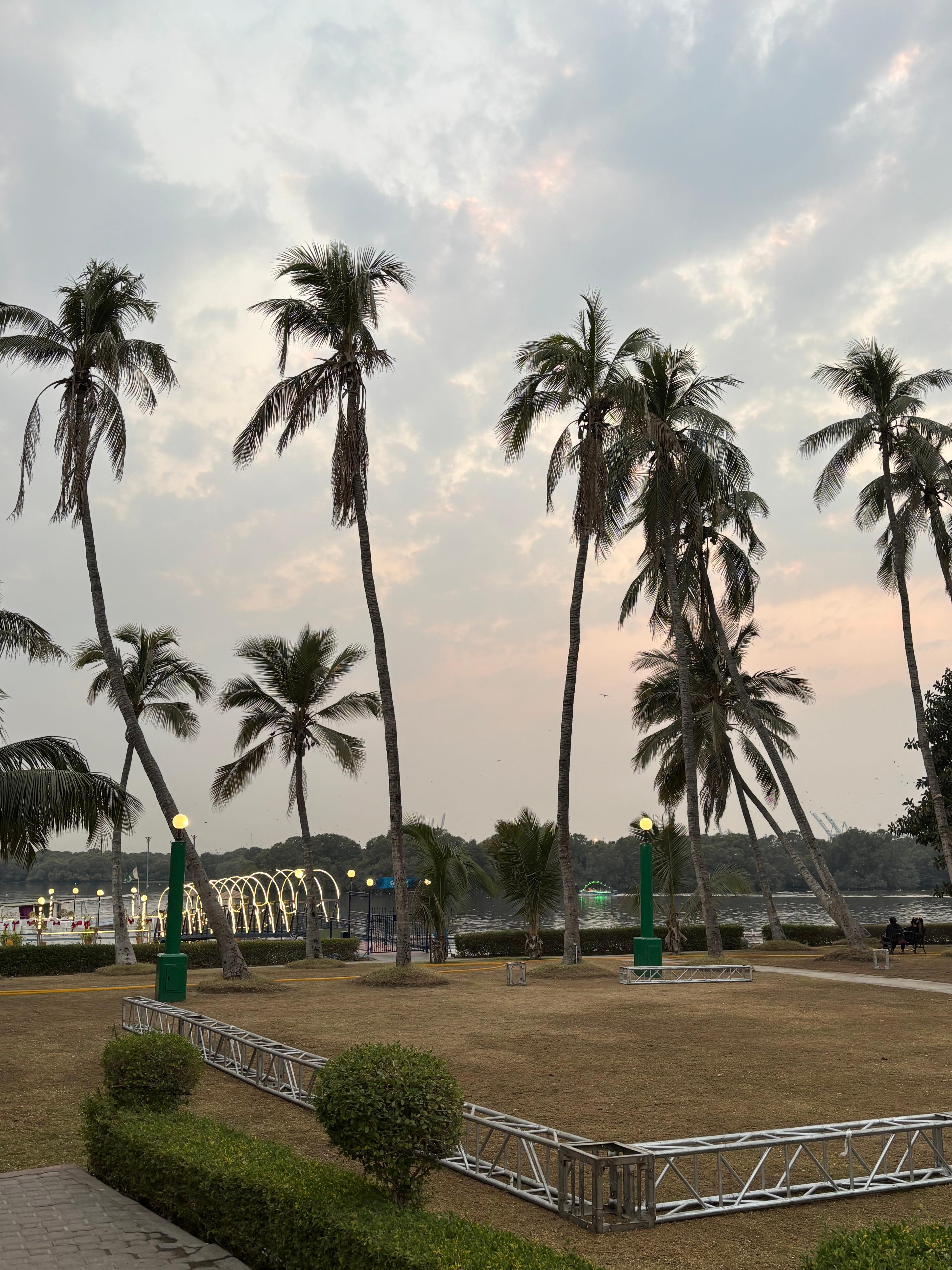
After Karachi, I crisscrossed Europe, my head spinning with thoughts of home and belonging. Everywhere I went, the conversation was about who is and isn’t “truly European”.
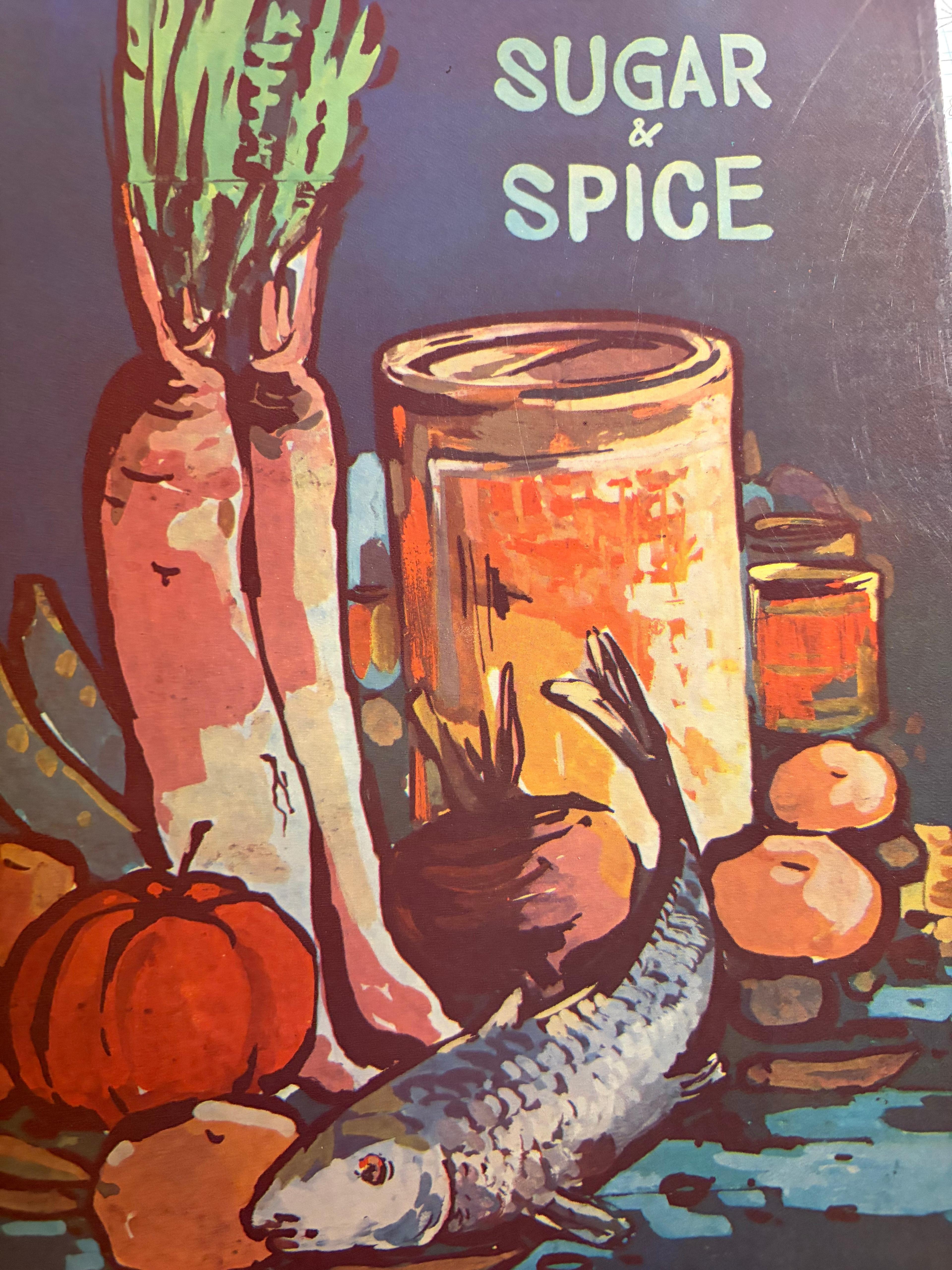
I inherited my parents’ love of good food and the pleasure of lingering around the family table, talking, laughing and sharing stories. But I never inherited my mother’s love of cooking.
My mother has left me her love of a Pakistani poet whose poems of love, longing and the belief in a more humane world gave her comfort in difficult times and give me solace and hope today.
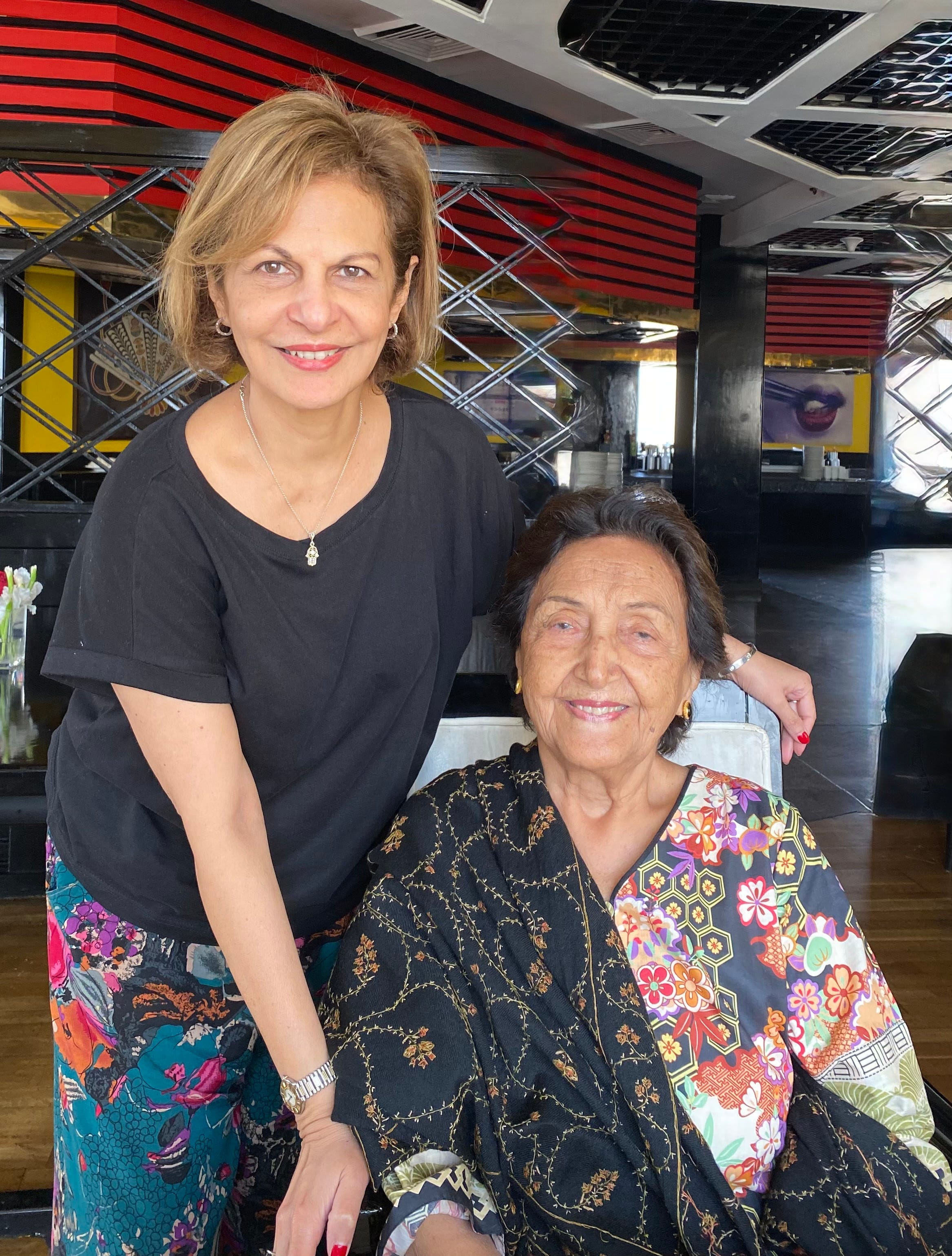
After my mother’s death, I began thinking about those who are denied even the dignity of mourning. Grief is universal. The chance to mourn is not.
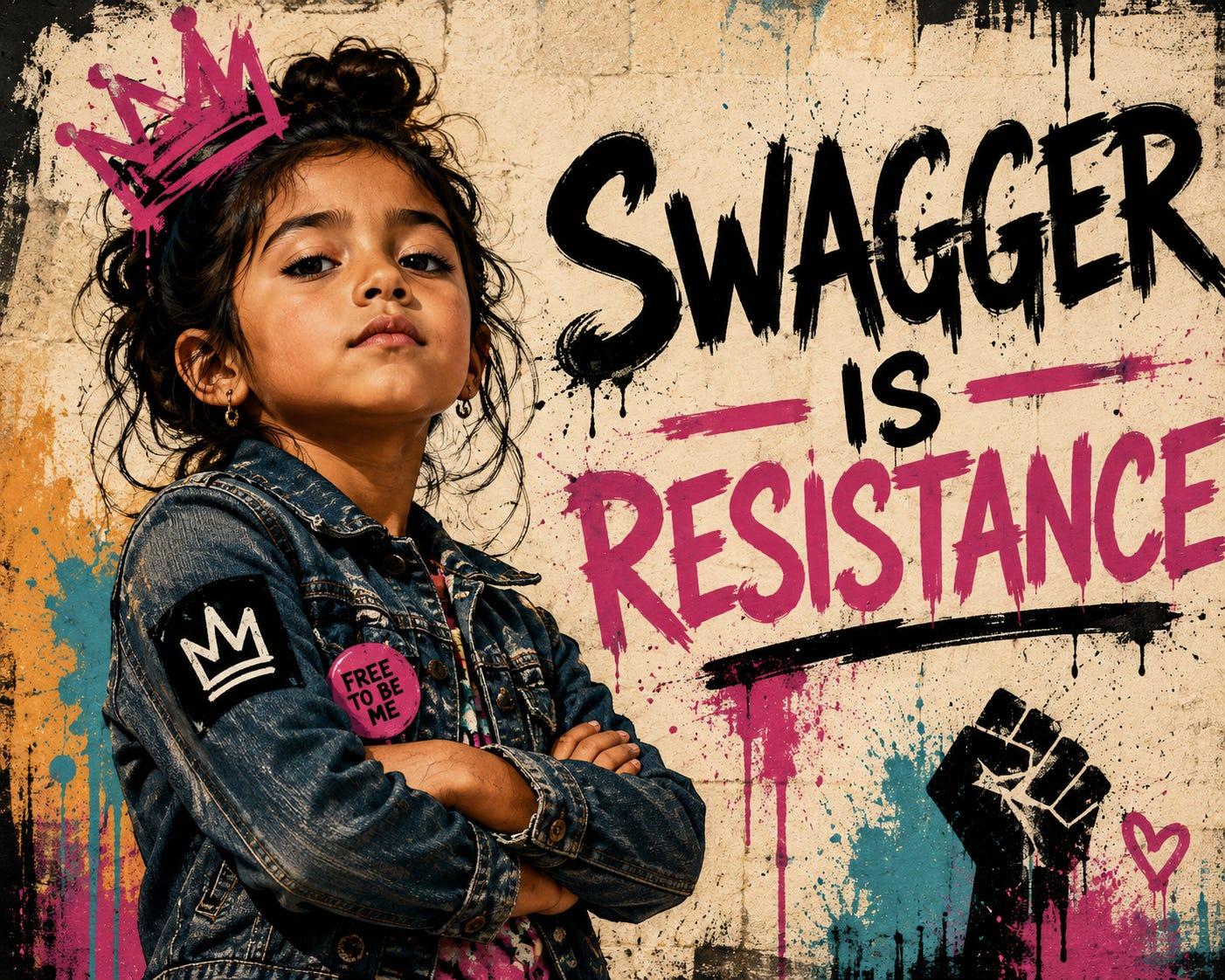
Families play a crucial role in nurturing a little girl's confidence.But the responsibility of building societies that do not punish girls for being bold and ambitious lies with all of us.
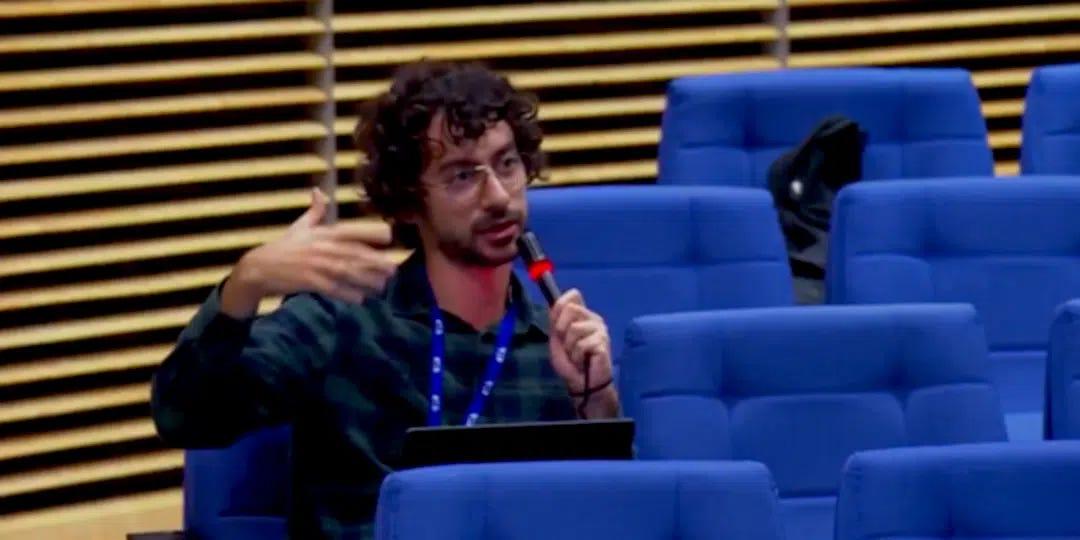
It says something about the state of press freedom in Europe when Gabriele Nunziati’s right to ask a question on EU policy in Gaza has to be defended by lawyers in a court in Rome.
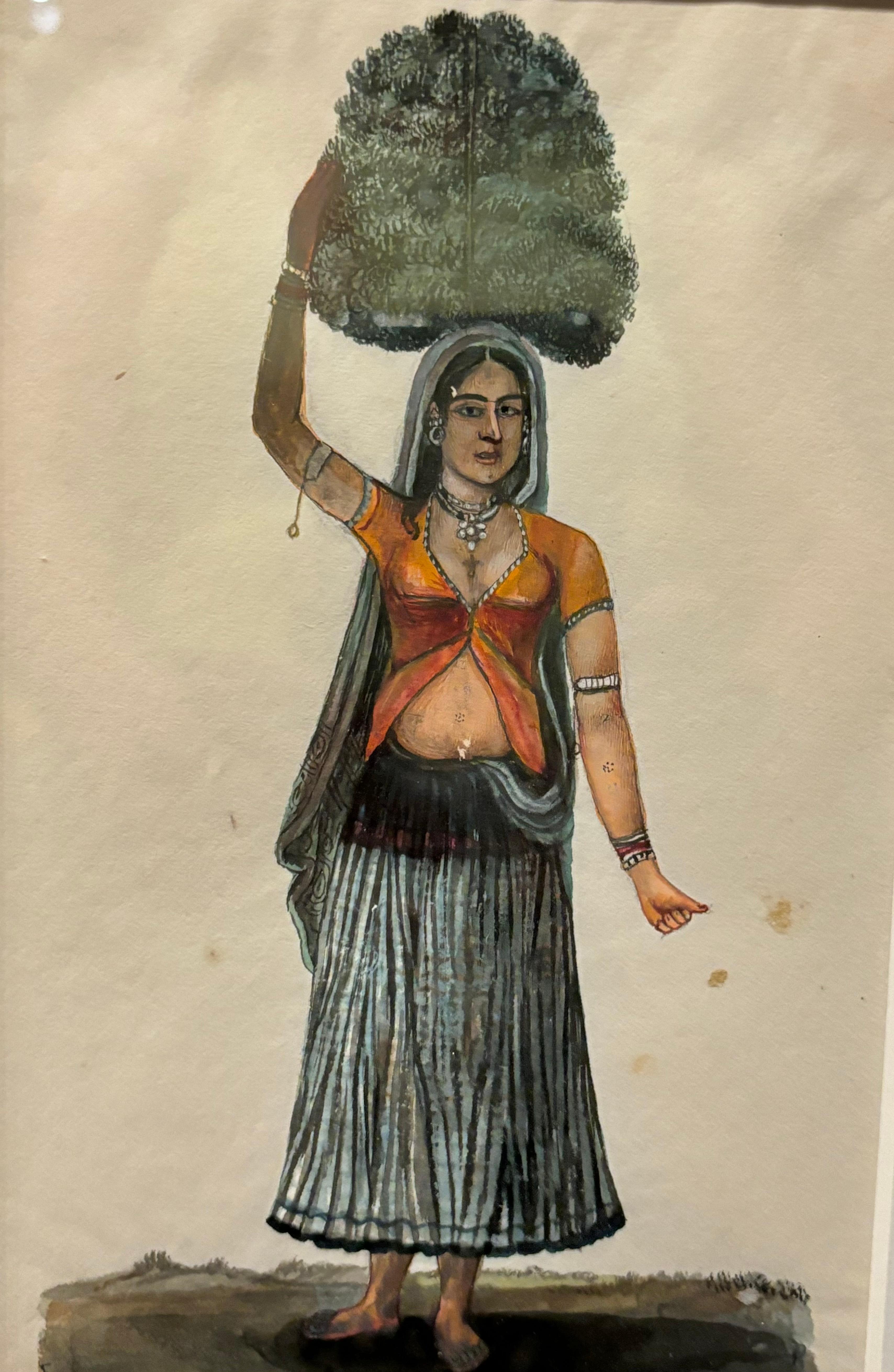
To build a more inclusive society, the true story of Portugal's encounter with South Asia and Islam will have to move beyond museums into schools, media, political conversations and everyday life.
In naming a street after Naïm Khader, Ixelles has done more than honour a murdered diplomat. It has acknowledged that the Palestinian story is part of the story of a vibrant, multicultural Brussels.

Geneva Call's Alain Délétroz tells me it is about protecting civilians during armed conflict and that means also engaging with militias and armed groups to try and stop war crimes. Often it works.